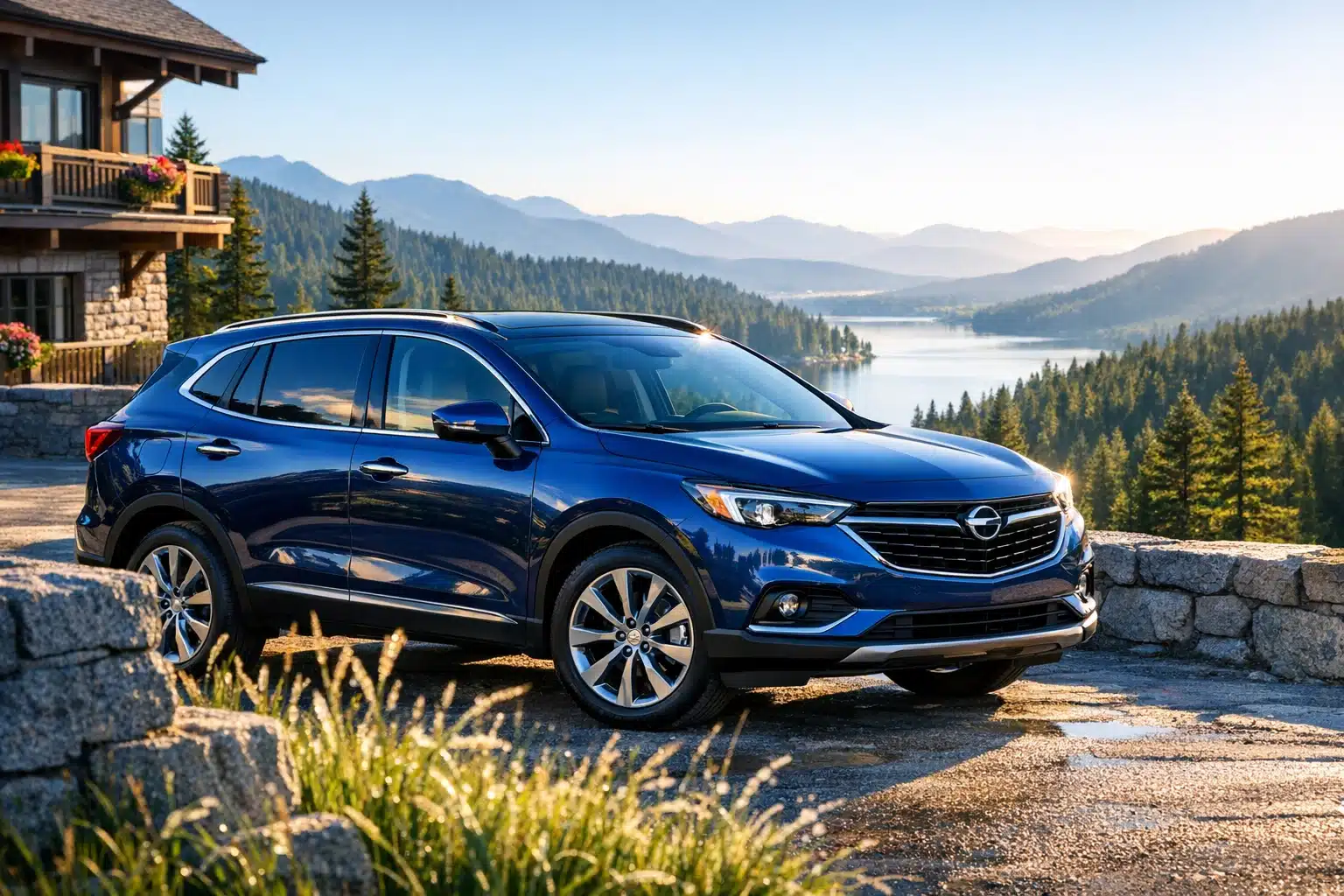
Comprehensive Guide to the 2026 Nissan Rogue Platinum Features
Shopping the 2026 Nissan Rogue Platinum means looking beyond badges and into the details that shape daily life. This trim sits at the premium end of the Rogue range, where comfort, driver assistance, cabin materials, and convenience tech matter as much as horsepower. For families, commuters, and downsizers alike, understanding what the Platinum offers can turn a quick showroom glance into a smart long-term choice. That is exactly what this guide is built to do.
Before diving in, one practical note matters: final 2026 specifications can vary by market, release timing, and option packaging. To stay accurate, this article uses the Rogue Platinum’s recent equipment direction, current Rogue data, and compact-SUV benchmarks to explain what buyers should expect, what they should verify, and where the Platinum trim tends to justify its premium.
Outline: What This Guide Covers and Why the Platinum Trim Deserves Attention
Think of the Rogue Platinum as the version of the Nissan Rogue that tries to answer a very modern question: can a compact SUV feel upscale without becoming complicated, overly expensive, or difficult to live with? That question matters because this segment is one of the most crowded parts of the vehicle market. Shoppers looking at a Rogue Platinum are rarely choosing in a vacuum. They are often cross-shopping the Honda CR-V, Toyota RAV4, Hyundai Tucson, Kia Sportage, Subaru Forester, and sometimes even a Mazda CX-50 or entry luxury model. In that context, the Platinum trim is not simply about adding shiny accents. It is about whether the vehicle feels complete.
This guide follows a simple structure so readers can move from broad understanding to specific buying judgment. The key areas include:
• the Platinum trim’s role in the Rogue lineup and what makes it different from lower trims
• cabin comfort, materials, seating, storage, and cargo practicality
• powertrain performance, ride quality, all-wheel-drive confidence, and fuel economy
• infotainment, screens, audio, connectivity, and user-friendliness
• safety, driver-assistance systems, ownership value, and who should actually buy it
That structure matters because premium trims often sell on emotion first and details second. A panoramic roof may catch the eye in the showroom, but the shape of the front seats matters more on a long commute. A big display can impress in photographs, yet intuitive menus make a bigger difference at a rainy intersection. A hands-free driving aid sounds advanced, though smooth calibration is what keeps the experience relaxing rather than annoying. The Platinum trim should be judged by those real-life standards.
In recent Rogue model years, the Platinum badge has represented the most feature-rich expression of the vehicle, usually bringing richer upholstery, more advanced digital displays, upgraded audio, stronger convenience technology, and a fuller driver-assistance package. If Nissan keeps that formula for 2026, Platinum shoppers should expect a compact SUV designed to feel calm, modern, and well equipped rather than aggressively sporty. That positioning is important. The Rogue has traditionally aimed at comfort, efficiency, and ease of use. The Platinum trim simply pushes those strengths further, giving buyers more of the features they would normally associate with a class above.
Interior Comfort, Design, and Everyday Practicality
If the Platinum trim earns its price anywhere, it should be in the cabin. This is where owners spend their time, where passengers form first impressions, and where a vehicle either feels carefully considered or forgettable. On recent Rogue Platinum models, Nissan has leaned into a more upscale presentation with higher-grade surfaces, contrast stitching, and a cleaner dashboard layout than many people expect from a mainstream compact SUV. If that approach continues for 2026, buyers should look closely at the seat upholstery, touch points, and overall atmosphere, because those details are often the clearest evidence of what the Platinum trim is trying to be.
Expect the Platinum to focus on comfort-oriented features such as leather-appointed seating, power front seats, memory settings for the driver, heating functions, and potentially ventilation for the front row depending on final specification. In practical terms, that means more than simple luxury. Heated seats matter on cold mornings, memory settings matter in households with multiple drivers, and better cushioning matters every single day. A top trim should feel inviting when you open the door, and the Rogue Platinum typically aims for that polished, lounge-like first impression rather than a rugged or minimalist vibe.
Rear-seat usability is another strong point in the Rogue formula. The current generation has been competitive for legroom and family friendliness, with wide-opening rear doors that make child-seat access easier than many buyers realize. Storage also tends to be thoughtfully arranged, which is valuable in an SUV that may spend one day carrying groceries and the next day hauling sports gear, backpacks, and coffee tumblers. Recent Rogue cargo measurements have been about 36.5 cubic feet behind the second row and roughly 74 cubic feet with the rear seats folded, depending on configuration. That places it firmly in the practical heart of the class.
Shoppers should also pay attention to cargo-floor flexibility and interior organization. Nissan’s Divide-N-Hide cargo management approach on past Rogue models has been genuinely useful because it lets owners create shelves, split spaces, and flatter loading areas without resorting to aftermarket bins. Useful cabin details often include:
• rear air vents and charging access for passengers
• multiple cupholders and door pockets sized for real bottles
• a center console that can hold more than just a key fob
• a low-stress layout that does not make daily tasks feel like software training
Compared with rivals, the Rogue Platinum often lands in an appealing middle ground. The Mazda CX-50 may feel sportier and more tailored, while the Hyundai Tucson can look more futuristic. The Rogue, by contrast, tends to prioritize easy visibility, soft-touch familiarity, and family-ready versatility. For buyers who want a compact SUV that feels a little dressed up without sacrificing practical sense, that balance is one of the Platinum trim’s strongest selling points.
Powertrain, Ride Quality, Efficiency, and All-Weather Use
Under the skin, the Rogue Platinum is usually less about thrilling acceleration and more about delivering a smooth, easygoing rhythm that suits everyday driving. That distinction matters because many compact-SUV buyers do not need a vehicle that eggs them on. They need one that merges confidently, cruises quietly, sips fuel sensibly, and stays composed when the weather turns messy. If Nissan carries forward the current mechanical package, the 2026 Rogue Platinum will likely continue to use the brand’s 1.5-liter VC-Turbo three-cylinder engine paired with a continuously variable transmission. In recent Rogue models, that engine has been rated at 201 horsepower and 225 lb-ft of torque, which is a healthy torque figure for this class.
On the road, that setup tends to deliver stronger low-end pull than the small displacement might suggest. The torque arrives early, which helps the Rogue feel responsive during urban driving and highway merging. It is not a performance SUV, and it does not pretend to be one, but it generally has enough energy to avoid feeling strained in normal use. The transmission calibration also matters. CVTs can be noisy or rubbery in some vehicles, yet Nissan has worked to make the Rogue’s version feel more natural than older examples in the market. Buyers should still take a careful test drive, though, because transmission behavior is one of the most personal parts of the ownership experience.
Fuel economy is another reason the Rogue stays relevant. Recent front-wheel-drive versions have posted combined figures in the low-to-mid 30 mpg range, with all-wheel-drive models typically landing a bit lower. That is competitive for a non-hybrid compact SUV. Still, buyers who place efficiency above all else should compare the Rogue Platinum with hybrid-heavy rivals such as the Honda CR-V Hybrid, Toyota RAV4 Hybrid, or Hyundai Tucson Hybrid, since those models can offer a meaningful advantage in city driving.
Ride quality is where the Platinum trim can quietly win people over. The Rogue has generally favored comfort, road isolation, and stable tracking over sharp handling. That means it feels more like a sensible travel companion than a restless athlete. Recent Rogue models also offer available all-wheel drive, which is useful for rain, light snow, gravel roads, and winter commuting. Prospective owners should check for drive modes and terrain-related settings, since Nissan often includes selectable modes that tailor throttle response and traction behavior.
There are trade-offs, of course. Towing capacity on recent Rogue models has been modest, around 1,500 pounds, so buyers with heavier trailer plans should look elsewhere. Yet for the typical Platinum customer, the bigger story is this:
• enough power for daily confidence
• a comfort-first suspension tune
• competitive non-hybrid fuel economy
• available AWD for year-round usability
That combination will not dominate every comparison chart, but it makes strong real-world sense. In a compact SUV, competence often matters more than drama, and the Rogue Platinum has traditionally played that card well.
Infotainment, Digital Displays, and the Technology That Shapes Daily Ownership
Technology is no longer a side note in the compact-SUV class; it is one of the main reasons buyers move up to a top trim. The Platinum badge should therefore be evaluated not only by the size of its screens, but also by how naturally those systems fit into daily routines. Recent Rogue Platinum versions have offered a strong digital presentation, including an available 12.3-inch center touchscreen, a 12.3-inch digital instrument cluster, and a head-up display on select configurations. If the 2026 model keeps that approach, it will remain competitive in a segment where interface quality often has as much impact as upholstery.
The best technology feels invisible once you learn it. That is the standard the Rogue Platinum should meet. A well-designed infotainment system lets drivers access maps, media, phone functions, and camera views with minimal distraction. Recent top-trim Rogues have also featured wireless Apple CarPlay, Android Auto compatibility, wireless charging, connected services, and multiple USB ports, all of which matter because people no longer use their SUVs the way they did a decade ago. A modern family may have three phones, one tablet, streaming audio, turn-by-turn navigation, and a child asking for a charging cable before the driveway gate has even closed.
Audio quality is another area where the Platinum trim often separates itself from lower versions. A premium Bose system has been one of the Rogue Platinum’s notable upgrades in recent years, and it changes the cabin experience more than many buyers expect. Better speakers do not just make music louder; they make long trips less tiring and podcasts easier to hear without cranking the volume. That is the kind of feature that sounds indulgent on paper and turns practical over time.
One of the Rogue’s advantages has been its effort to balance digital modernity with a relatively approachable learning curve. Some rivals chase a futuristic look with touch-sensitive climate controls and dense menus. That can look impressive at night, yet it sometimes becomes frustrating in bright sunlight or heavy traffic. Nissan’s more straightforward approach tends to suit buyers who want technology without theatrics. Useful items to confirm on a 2026 Platinum include:
• screen size and responsiveness
• native navigation or cloud-connected route support
• wireless smartphone integration
• camera quality, especially for the around-view system
• audio-brand upgrade and speaker count
• head-up display availability
Compared with class leaders, the Rogue Platinum should feel comfortably current rather than experimental. The Hyundai Tucson and Kia Sportage often push visual flair harder, while Honda tends to prioritize clarity and Toyota emphasizes function. The Rogue’s sweet spot is usually calm usability. If the 2026 model follows that path, the Platinum trim will likely appeal to buyers who want premium-adjacent technology without a steep learning curve or a dashboard that looks like it is trying to audition for a science-fiction film.
Safety, Value, Rival Comparisons, and Final Verdict for the Right Buyer
For many buyers, safety is the real reason to shop a top trim. Bigger wheels and better leather are nice, but advanced driver-assistance systems shape the ownership experience every week. Nissan has made safety technology a major part of the Rogue story, and the Platinum trim typically serves as the fullest expression of that effort. Buyers should expect a broad set of active-safety features, commonly including automatic emergency braking with pedestrian detection, blind spot warning, rear cross traffic alert, lane departure warning, rear automatic braking, high beam assist, and adaptive cruise-based highway assistance. On recent models, ProPILOT Assist has been one of the Rogue’s headline systems, helping with steering support and distance management during highway travel.
Feature count alone, however, does not tell the whole story. The real question is how naturally those systems behave. The strongest driver-assistance packages are the ones that feel reassuring instead of intrusive. Good lane centering should reduce fatigue without constant ping-pong correction. Adaptive cruise should slow and accelerate smoothly rather than with nervous surges. Camera systems should improve confidence in parking lots, not just look impressive in brochures. This is why a proper test drive matters, especially in urban traffic and on a faster road where the technology can show its character.
From a value perspective, the Rogue Platinum must justify its premium over lower trims such as SV or SL, assuming Nissan maintains a familiar trim structure. The answer depends on the buyer. If you care most about payment size and basic utility, a mid-level trim often delivers the smarter deal. If, on the other hand, you plan to keep the SUV for years and you value a quieter cabin, richer seating, better displays, stronger camera tech, and a fuller safety suite, the Platinum can make the vehicle feel more complete from day one. That difference matters every time you start the engine.
Against rivals, the Rogue Platinum fits a specific niche. The Toyota RAV4 often wins on reputation and hybrid availability. The Honda CR-V feels roomy and polished, especially in hybrid form. The Mazda CX-50 leans more premium in driving flavor, and the Hyundai Tucson often offers bold tech presentation. The Rogue Platinum answers with a comfort-forward personality, competitive packaging, and a cabin that can feel surprisingly upscale when properly equipped.
Here is the clearest summary for the target buyer:
• choose the Rogue Platinum if you want a compact SUV that prioritizes comfort, easy technology, and a near-premium atmosphere
• keep it on the shortlist if all-weather confidence and practical cargo flexibility matter
• compare it carefully with hybrids if fuel savings are your top concern
• step down a trim if you want value first and luxury touches second
For families, commuters, empty nesters, and buyers moving out of a sedan into a higher-riding vehicle, the 2026 Nissan Rogue Platinum makes the most sense as a refined daily companion. It is not trying to be the fastest, flashiest, or most rugged option in the class. Its appeal is subtler than that. When well equipped, it aims to make ordinary driving calmer, easier, and more comfortable. For a large number of shoppers, that is not a minor advantage. It is the whole point.