Transform Your Space with Durable PVC Wall Panels
Introduction to PVC Wall Panels
In the realm of interior design, PVC wall panels have emerged as an exceptional choice for homeowners and designers looking to add a touch of elegance and functionality to their spaces. These panels are not only aesthetically pleasing but also offer a range of practical benefits that make them a preferred option in various settings. PVC, or polyvinyl chloride, is a type of plastic known for its durability and versatility, making it an ideal material for wall coverings. In this article, we will explore the various aspects of PVC wall panels, including their advantages, installation process, aesthetic appeal, maintenance, and environmental impact.
Advantages of PVC Wall Panels
PVC wall panels offer numerous advantages that make them a popular choice in modern interior design. One of the primary benefits is their durability. These panels are resistant to moisture, mold, and mildew, making them suitable for areas with high humidity, such as bathrooms and kitchens. Additionally, they are lightweight yet strong, which simplifies the installation process and reduces the need for extensive support structures.
Another advantage is the ease of maintenance. Unlike traditional wall coverings, PVC panels do not require regular painting or sealing. A simple wipe with a damp cloth is usually sufficient to keep them looking clean and new. Moreover, PVC panels are available in a wide range of designs, colors, and textures, allowing homeowners to achieve a customized look that complements their interior decor.
Furthermore, these panels are cost-effective. Compared to other wall coverings, PVC panels are relatively affordable, both in terms of material and installation costs. This makes them an attractive option for budget-conscious homeowners and businesses looking to renovate their spaces without breaking the bank.
Installation Process of PVC Wall Panels
The installation of PVC wall panels is a straightforward process that can be accomplished by professionals or skilled DIY enthusiasts. The first step involves preparing the wall surface by ensuring it is clean, dry, and free of any loose material. Next, the panels are measured and cut to fit the desired area. This can be easily done using standard cutting tools, as PVC is a flexible material.
Once the panels are cut, they can be attached to the wall using adhesive or screws, depending on the wall surface and panel design. It’s important to follow the manufacturer’s instructions regarding the type of adhesive or screws to use for optimal results. The panels are then aligned and fitted together, creating a seamless appearance. The installation process is quick and efficient, often taking less time than traditional wall coverings.
For those who prefer a professional touch, hiring an experienced installer can ensure that the panels are fitted perfectly, enhancing the overall look and durability of the installation. Additionally, professional installers can offer valuable advice on design choices and maintenance tips to maximize the lifespan of the panels.
Aesthetic Appeal and Design Versatility
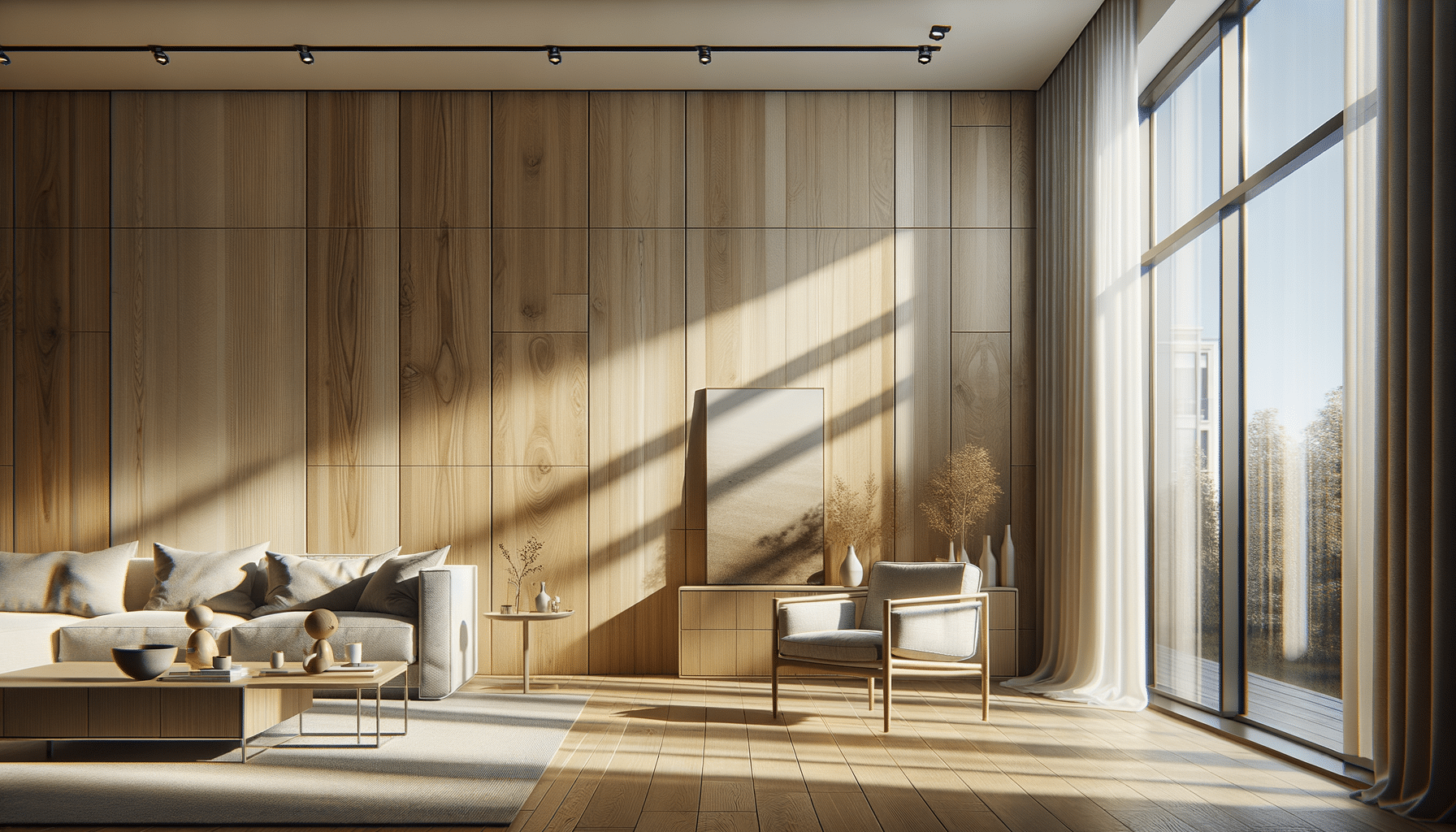
PVC wall panels are renowned for their aesthetic appeal and design versatility. They come in a plethora of styles, including wood grain, marble, stone, and metallic finishes, allowing homeowners to mimic the appearance of more expensive materials without the associated costs. This versatility makes PVC panels suitable for a variety of interior styles, from contemporary to classic.
The ability to choose from a wide range of colors and textures means that PVC panels can be used to create feature walls, add accents, or cover entire rooms. This flexibility enables designers to experiment with different looks and achieve a cohesive design theme throughout a space. Additionally, PVC panels can be customized with patterns or prints, providing a unique and personalized touch to any room.
Moreover, the reflective properties of some PVC finishes can enhance natural light in a room, making spaces appear brighter and more inviting. This is particularly beneficial in areas with limited natural light, such as basements or interior rooms without windows.
Maintenance and Environmental Impact
Maintaining PVC wall panels is simple and hassle-free. Their smooth surface makes them resistant to stains and dirt, requiring only occasional cleaning with mild soap and water to maintain their appearance. This low-maintenance characteristic is a significant advantage for busy households or commercial spaces where cleanliness is a priority.
From an environmental perspective, PVC panels are a sustainable choice. They are made from recyclable materials, and many manufacturers are committed to environmentally friendly production processes. Additionally, the long lifespan of PVC panels means that they do not need to be replaced frequently, reducing waste and resource consumption.
However, it’s important to note that while PVC is recyclable, not all recycling facilities accept it. Therefore, it’s advisable for homeowners to check local recycling guidelines to ensure proper disposal when the panels reach the end of their lifecycle. Overall, PVC wall panels offer a responsible choice for those looking to minimize their environmental footprint while enjoying the benefits of a modern and stylish interior.


